

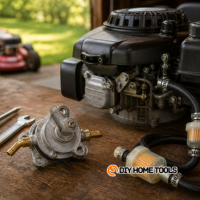
If your lawn mower suddenly refuses to start, stalls mid-cut, or struggles to maintain power, there is a good chance the issue is tied to the fuel system. Among the most overlooked components in small engines is the fuel pump.
It plays a simple but critical role, delivering fuel from the tank to the carburetor so the engine can run smoothly.
Many homeowners assume starting issues come from spark plugs or old fuel, which is often true. But when those check out, the fuel pump becomes the next likely culprit. Understanding how it works and how it fails can save time, money, and frustration.
What Does a Fuel Pump Do in a Lawn Mower?
In small engines, especially those found in riding mowers and some larger push mowers, the fuel pump ensures a steady flow of fuel to the carburetor. Unlike gravity-fed systems found in simpler machines, fuel pumps are necessary when the fuel tank sits lower than the engine.
Most lawn mower fuel pumps are diaphragm-style pumps. They rely on engine vacuum pulses to move fuel through the system. As the engine runs, pressure changes cause the diaphragm to flex, pulling fuel from the tank and pushing it toward the carburetor.
This system is simple and efficient, but it also means that even a small failure can disrupt the entire engine operation.
Signs of a Failing Fuel Pump
Fuel pump issues can show up in several ways. Here are the most common symptoms to watch for.
1. Engine Cranks but Will Not Start
If your engine turns over but does not start, it could be a sign that fuel is not reaching the carburetor. A faulty fuel pump may not be delivering enough fuel to ignite the engine.
2. Stalling During Operation
If your mower starts fine but stalls after a few minutes, the fuel pump may not be maintaining consistent pressure. This often happens when the diaphragm weakens or when internal components begin to wear.
3. Loss of Power
When cutting thick grass, your mower needs a steady fuel supply. If the pump cannot keep up, the engine may lose power or bog down under load.
4. Hard Starting
A mower that requires repeated attempts to start may be struggling with fuel delivery. The pump might be slow to prime or failing intermittently.
5. Fuel Leaks
Visible fuel leaks near the pump or hoses are a clear warning sign. Cracked housings or worn seals can allow fuel to escape, reducing efficiency and creating safety risks.
Common Causes of Fuel Pump Failure
Fuel pump problems usually do not happen overnight. They develop over time due to wear, contamination, or environmental factors.
Old or Degraded Fuel
Fuel that sits too long can break down and form varnish. This sticky residue can clog internal passages and prevent the pump from functioning properly.
Dirt and Debris
Contaminants in the fuel system can damage the diaphragm or block fuel flow. This is why filters are essential in maintaining a clean system.
Cracked or Brittle Diaphragm
The diaphragm is made of flexible material that moves constantly during operation. Over time, it can crack, harden, or lose elasticity, reducing its ability to pump fuel effectively.
Damaged Fuel Lines
Fuel lines can develop cracks or leaks, allowing air to enter the system. This disrupts pressure and prevents proper fuel delivery.
Heat and Environmental Exposure
Engines operate in high temperatures, and exposure to heat can degrade rubber components. Over time, this weakens seals and internal parts.
How to Diagnose Fuel Pump Issues
Before replacing any parts, it is important to confirm that the fuel pump is actually the problem. Here is a step-by-step approach.
Step 1: Check Fuel Supply
Make sure there is enough fresh fuel in the tank. Old fuel should be drained and replaced with new fuel.
Step 2: Inspect Fuel Lines
Look for cracks, leaks, or loose connections. Replace any damaged lines before moving forward.
Step 3: Test Fuel Flow
Disconnect the fuel line going into the carburetor and crank the engine. Fuel should pulse out of the line. If there is little or no flow, the pump may be failing.
Step 4: Check the Fuel Filter
A clogged filter can mimic fuel pump failure. Replace the filter if it appears dirty or restricted.
Step 5: Inspect Vacuum Lines
Since diaphragm pumps rely on engine vacuum, a disconnected or damaged vacuum line can stop the pump from working.
How to Fix or Replace a Fuel Pump
If you have confirmed the fuel pump is faulty, you have two main options: repair or replacement.
Repairing the Fuel Pump
Some pumps can be rebuilt using repair kits that include diaphragms and gaskets. This can be a cost-effective solution if the housing is still in good condition.
However, rebuilding requires careful disassembly and attention to detail. If you are not comfortable with small engine repairs, replacement is often the better choice.
Replacing the Fuel Pump
Replacing a fuel pump is usually straightforward and can be done with basic tools.
- Turn off the fuel supply and disconnect the spark plug for safety.
- Remove the old pump by disconnecting fuel and vacuum lines.
- Install the new pump, ensuring all connections are secure.
- Reconnect the spark plug and test the engine.
Always make sure the replacement matches your engine specifications.
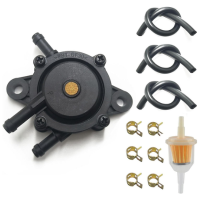
Replacement Fuel Pump Kit for Lawn Mowers and Small Engines
A practical fuel pump kit for DIY mower repair, small engine troubleshooting, and restoring proper fuel flow on compatible Kohler, Briggs & Stratton, Kawasaki, Honda, John Deere, Yamaha, Cub Cadet, and golf cart engines.
- Includes fuel pump, filter, and oil hose
- Useful for hard-starting, stalling, or weak fuel delivery issues
- Designed for many 17HP to 25HP small engine applications
- Always verify engine model and OEM part number before ordering
As an Amazon Associate, we may earn from qualifying purchases.
Preventing Fuel Pump Problems
The best way to deal with fuel pump issues is to prevent them in the first place. Here are some simple maintenance tips.
Use Fresh Fuel
Avoid letting fuel sit for long periods. If you do not plan to use your mower for a while, consider adding a fuel stabilizer.
Replace Fuel Filters Regularly
A clean filter helps protect the pump from debris and extends its lifespan.
Store Equipment Properly
Keep your mower in a dry, sheltered area. Exposure to moisture and extreme temperatures can accelerate wear.
Run the Engine Periodically
Even during off-season, running the engine occasionally helps keep components in good condition.
Inspect Hoses and Connections
Regularly check for signs of wear or damage and replace parts as needed.
When to Call a Professional
While many fuel pump issues can be handled at home, there are times when professional help is the better option.
If you have replaced the pump and the problem persists, there may be a deeper issue within the carburetor or engine. A technician can perform more advanced diagnostics and ensure everything is working correctly.
Keeping Your Lawn Mower Running Smoothly
Fuel pump problems are a common but often misunderstood cause of lawn mower issues. By learning the signs and taking a systematic approach to diagnosis, you can quickly identify the problem and get your mower back in working condition.
Regular maintenance and attention to fuel quality go a long way in preventing future problems. With a little care and knowledge, you can keep your equipment running reliably season after season.
Understanding how small engine components work may seem intimidating at first, but it becomes much easier with experience. The more familiar you are with your mower, the quicker you can spot issues and fix them before they turn into costly repairs.
